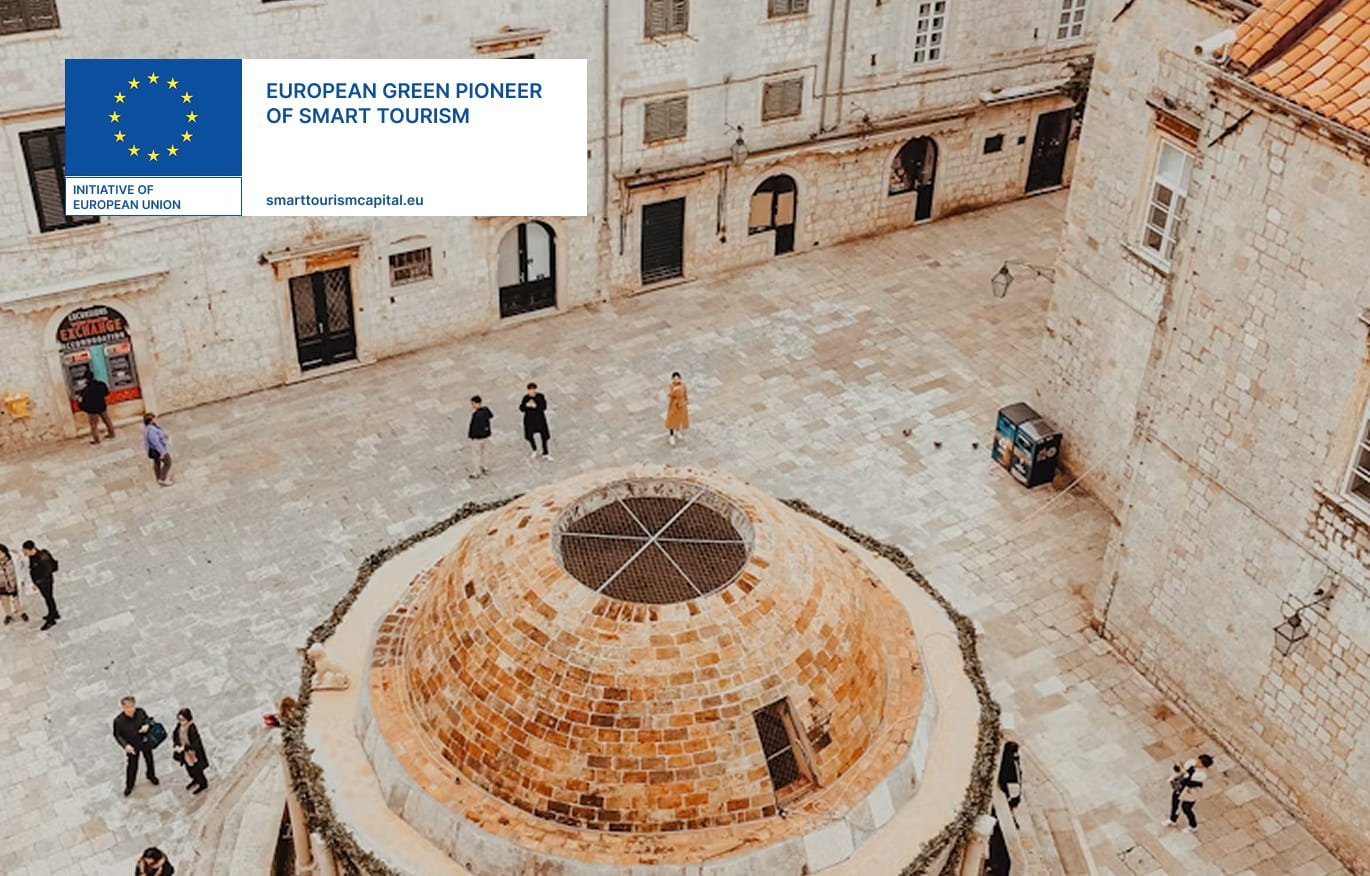
Four thousand five hundred. That's the number the European Commission put in writing this year when it named Dubrovnik a 2026 European Green Pioneer of Smart Tourism: the daily ceiling on cruise passengers, or two ships at a time, whichever hits first. A clean number, officially recognized, tightened from where it started. And still, on the wrong Tuesday in July, Stradun fills up like the cap doesn't exist.
Both things are true. Here's how.
The number has a history, and it used to be looser
The cap didn't arrive with the award. It goes back to 2018, when the port set a limit of two ships and roughly 5,000 total visitors a day, after UNESCO put Dubrovnik on notice that unmanaged cruise traffic threatened its World Heritage status. By 2026, that ceiling had come down to 4,500, and it now sits inside a wider system: the Respect the City coordination project, Dubrovnik Pass data used to track day-visitor flow, and ongoing carrying-capacity research with the University of Dubrovnik to work out how many people the Old Town can hold before it stops functioning as a place people live in.
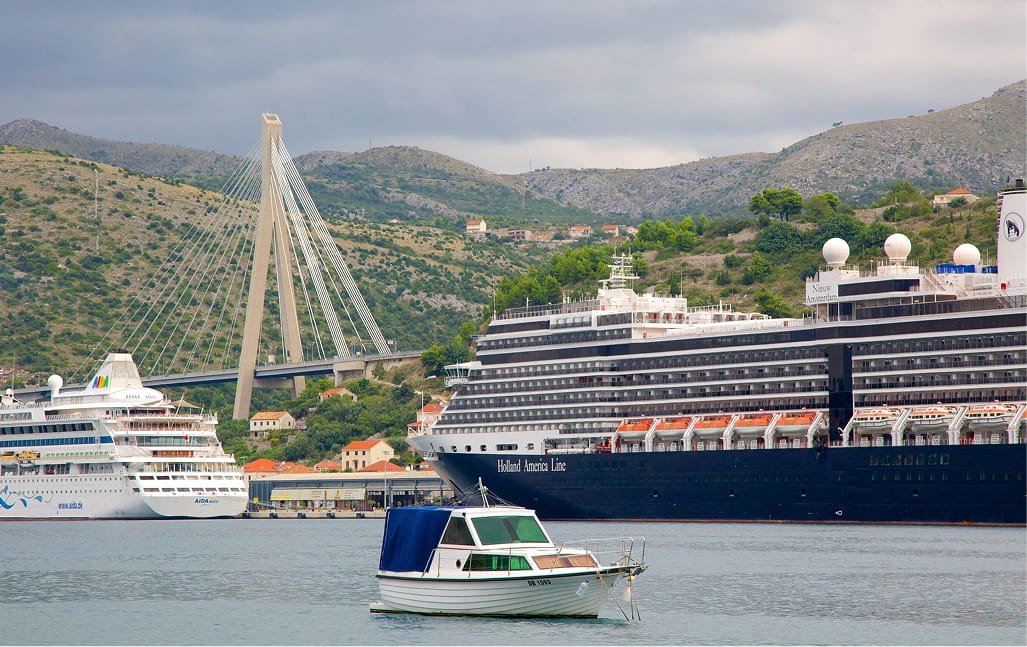
That's a real, measurable tightening. It's also worth sizing up against what a single ship can carry.
One modern mega-ship beats the entire daily cap
What the cap was never built to control
Three things sit entirely outside it. Ferries and catamarans from Split, Korčula and the islands don't count. Overland tour buses don't count. And nothing in the policy governs when the 4,500 arrive: it only limits whether they exceed it. Two ships docking within the same hour still push several thousand people through Pile Gate in a single morning window, even on a day that's technically "under cap." A number spread evenly across ten hours reads nothing like the same number crammed into two. The cap manages volume. It has nothing to say about timing, and timing is most of what a visitor actually feels.
The one thing worth doing with this before you book
The port publishes its cruise arrival schedule ahead of time, and checking it does more for your trip than any cap ever will. A day with zero ships booked and a day with two docking back-to-back are not the same city. If crowding is the thing you're trying to plan around, that schedule is the actual tool, not the headline number.
Where this actually leaves things
The cap is real, it's tighter than it was in 2018, and Brussels has legitimate grounds to point to it. But it's a cruise-traffic cap, not a crowding cap: one lever among several, with no control over clustering. Treat this year's recognition as credit for reining in one visible symbol of overtourism, not as proof the Old Town itself has gotten less crowded. Those are different claims, and this year's headlines aren't always careful about the difference.